
In our previous discussion on scaffolding in construction, we looked at the different types of scaffolding and their essential safety practices. Now, we want to look at choosing between bamboo scaffolding vs. steel scaffolding.
This article considers three critical factors: scaffolding durability and safety, overall cost, and long-term value. Lightweight bamboo has served builders for centuries, while steel offers superior strength and resists harsh weather conditions.
We will also discuss the best scaffolding material to meet your project’s specific needs. What’s bamboo scaffolding, and what are its strengths, limitations, and uses?
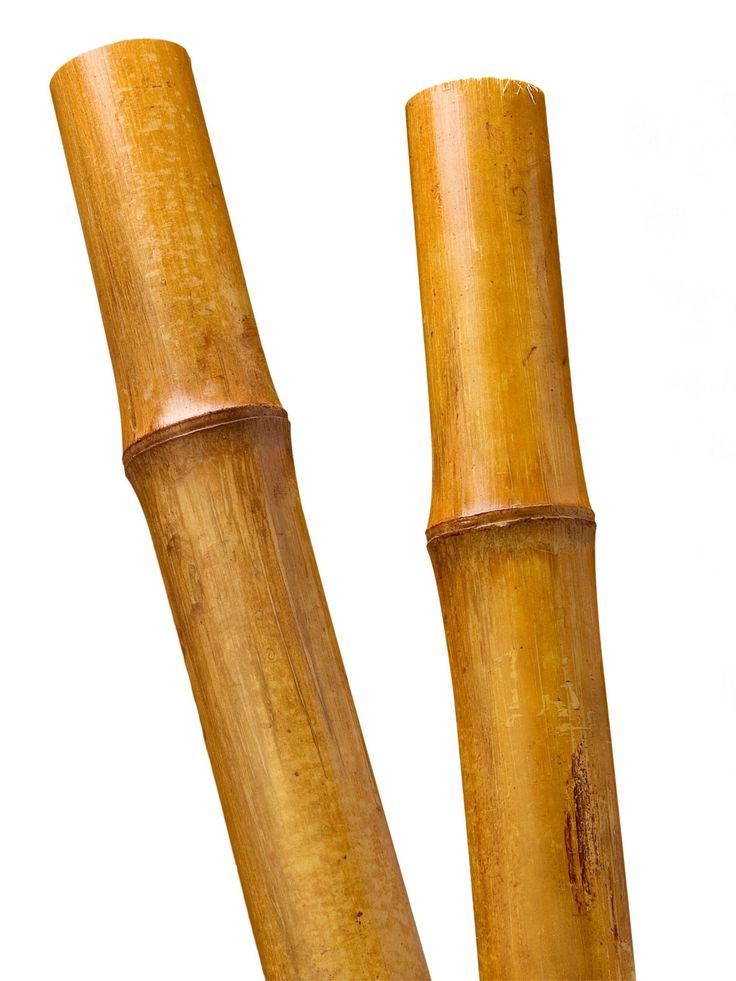
Bamboo is a fast-growing plant from the grass family that takes 3-5 years before reaching its expected height.
Bamboo offers remarkable strength, flexibility, and a lightweight structure. Contractors treat it after harvesting to improve resistance to pests and moisture.
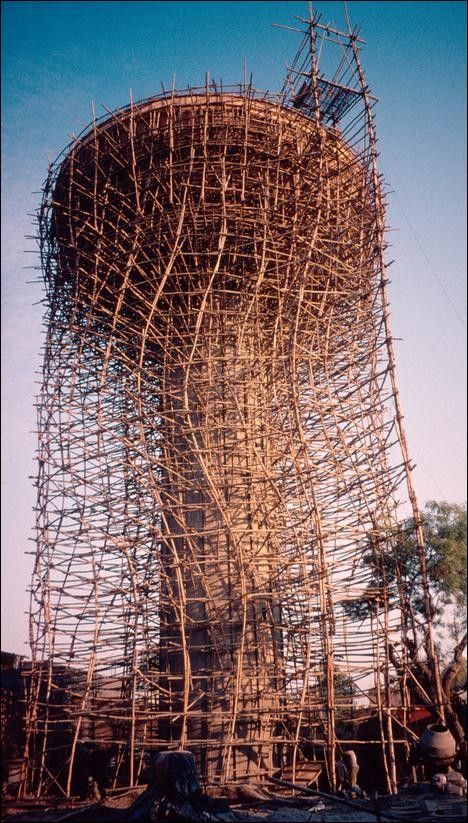
When comparing bamboo scaffolding vs. steel scaffolding, builders often highlight bamboo’s high weight resistance, eco-friendliness, and cost-effectiveness. The durability and safety of bamboo scaffolding depend on proper treatment, site conditions, and the skill of the workers who assemble it.
Limitations of bamboo scaffolding
a. Inconsistent quality:
Bamboo poles can vary in their thickness, straightness, and strength. This makes it very difficult to achieve consistent uniformity.
b. Fire Hazard:
To avoid fire hazards, bamboo scaffolding requires chemical treatment to improve fire resistance.
c. Not suitable for very heavy loads:
It has a very low bearing capacity compared to steel scaffolding.
d. Shorter height limitations:
It is safe for low- to mid-rise structures and not for skyscapes or heavy-duty industrial sites.
e. Requires skilled assembly:
Experienced workers should tie and secure joints when installing bamboo scaffolding.
Builders primarily use bamboo scaffolding for low-rise construction projects. It is ideal for quick, temporary work because of its easy assembly and dismantling. When you want to consider the best scaffolding material for construction, you have to look at factors like the project size, budget, local building code, and safety requirements.
What’s steel scaffolding, and what are its strengths, limitations, and uses?
Steel scaffolding has a high strength, and it is made from steel tubes or pipes. It is often painted or galvanised to prevent corrosion. It is produced to standardized sizes to ensure uniformity for easy assembly with couplers, fittings, and clamps. However, steel scaffolding is often chosen for its high durability and safety, especially in high or large projects.

Limitations of steel scaffolding
a. High cost and heavier material:
It is more expensive than bamboo scaffolding. Steel scaffolding requires more cranes or additional labor for assembly and transport.
b. Corrosion risk:
It needs proper painting or galvanisation to avoid rust in humid environments.
c. Risk of conducting electricity:
Steel is a conductor; therefore, it poses an electrocution hazard when near a power line without proper insulation.
d. Complex assembly and less flexible:
It requires skilled labour that is experienced in coupling the fittings together. Also, it’s not easy to bend steel scaffolding, unlike bamboo scaffolding, which is very flexible.
When it comes to choosing scaffolding for industrial work that is good for harsh weather conditions, then choose steel scaffolding. It is also suitable for infrastructural projects like bridges and so on.
Which scaffolding is more budget-friendly in terms of cost?
Cost is a major factor when comparing bamboo scaffolding vs. steel scaffolding. Bamboo is widely available in Asia and Africa and is generally affordable. Its lightweight nature makes transportation easy, and assembly is fast, requiring only basic tools. This makes bamboo a budget-friendly option for short-term or low-rise construction projects.
However, bamboo is more vulnerable to weather, moisture, and insects. These factors can lead to frequent replacements during construction, which may increase long-term costs. So, in the battle of scaffolding, it’s a captivating mix of cost savings and enduring strength!
Steel scaffolding, on the other hand, has a higher initial cost due to the price of steel and the need for specialised fittings. Bamboo remains highly durable, resists environmental damage, and builders can reuse it multiple times without losing structural integrity. This makes it more cost-effective in the long run, especially for large or repeated projects.
Bamboo vs Steel Scaffolding Durability and Safety
Bamboo scaffolding is more flexible and cost-effective when it’s being compared with steel scaffolding but is less durable in wet or insect-prone areas. Steel provides superior scaffolding durability and safety, handling heavy loads and extreme conditions with ease. For projects seeking the best scaffolding material for construction, steel remains the top choice, while bamboo suits short-term, budget-friendly builds.
CONCLUSION
Selecting between bamboo scaffolding vs steel scaffolding comes down to your project’s priorities, budget, height, load requirements, and environmental conditions. For an eco-friendly and cost-saving option for low-rise or temporary projects, choose bamboo scaffolding. Harsh weather and insect-prone environments can compromise the durability and safety of bamboo scaffolding. Steel scaffolding, on the other hand, is more expensive. It has a high strength, resistance to extreme conditions, and long-term value. These factors make it the best scaffolding material for construction when safety and longevity are top priorities. By accessing the unique benefits and limitations of each, you can select the scaffolding that ensures both structural stability and project efficiency.
Don’t forget to contact us for more inquiries, especially if you need good expertise to handle your project construction.


